Training 5 min
What is a tempo run and how do you do one?

A tempo run is a sustained effort at a hard but controlled pace—typically around your lactate threshold—held for 20 to 40 minutes. It trains your body to clear lactate more efficiently and builds the fitness needed for faster racing. Here's how to run them properly.
What pace should you run a tempo?
Tempo pace sits between your easy run speed and your 5K race pace. Most runners hold around 85–90% of their maximum heart rate, or roughly 25–30 seconds per mile slower than their current 5K pace. If you don't know your 5K pace, start conservatively—you should feel uncomfortable but able to speak only short phrases, not full sentences.
How should you structure a tempo workout?
A typical tempo session follows this pattern: easy warm-up, main effort, cool-down. Begin with 10–15 minutes of relaxed running, then hit your tempo pace for 20–40 minutes depending on your fitness level and goal race distance. Finish with 5–10 minutes of easy jogging to bring your heart rate down.
What are the key benefits?
- Raises lactate threshold so you can sustain faster speeds for longer
- Improves mental resilience and pace discipline
- Builds aerobic capacity and running economy
- Directly prepares you for sustained effort in half marathons and marathons
- Fits efficiently into a weekly schedule without excessive fatigue
Common tempo run variations
Once you've mastered steady-state tempo, you can adapt the format. Tempo intervals involve shorter bursts (6–8 minutes each) at tempo pace with brief recovery jogs between. Progression tempos start easy and gradually accelerate to tempo pace over the final 15–20 minutes. Fartlek runs blur the line with unstructured bursts, though they're less precise for threshold development.
How often should you run tempos?
Tempo runs demand significant effort and recovery. Once a week is the sweet spot for most runners, ideally scheduled 48–72 hours after your longest run or other hard workout. Runners training for a half marathon or marathon may do one per week for 6–8 weeks; sprinters and 5K runners can sustain them year-round with proper periodisation.
Practical tips for success
- Run tempos on relatively flat terrain so you can hold consistent pace
- Fuel properly before tempos; avoid running them fasted or hungry
- Start conservatively—it's better to finish strong than to blow up halfway
- Use a watch or app to track pace; let data guide effort, not just feel
- Stay hydrated, especially in longer efforts over 30 minutes
- If you're new to tempo runs, begin with 20 minutes at threshold and build up gradually
Tracking progress with data
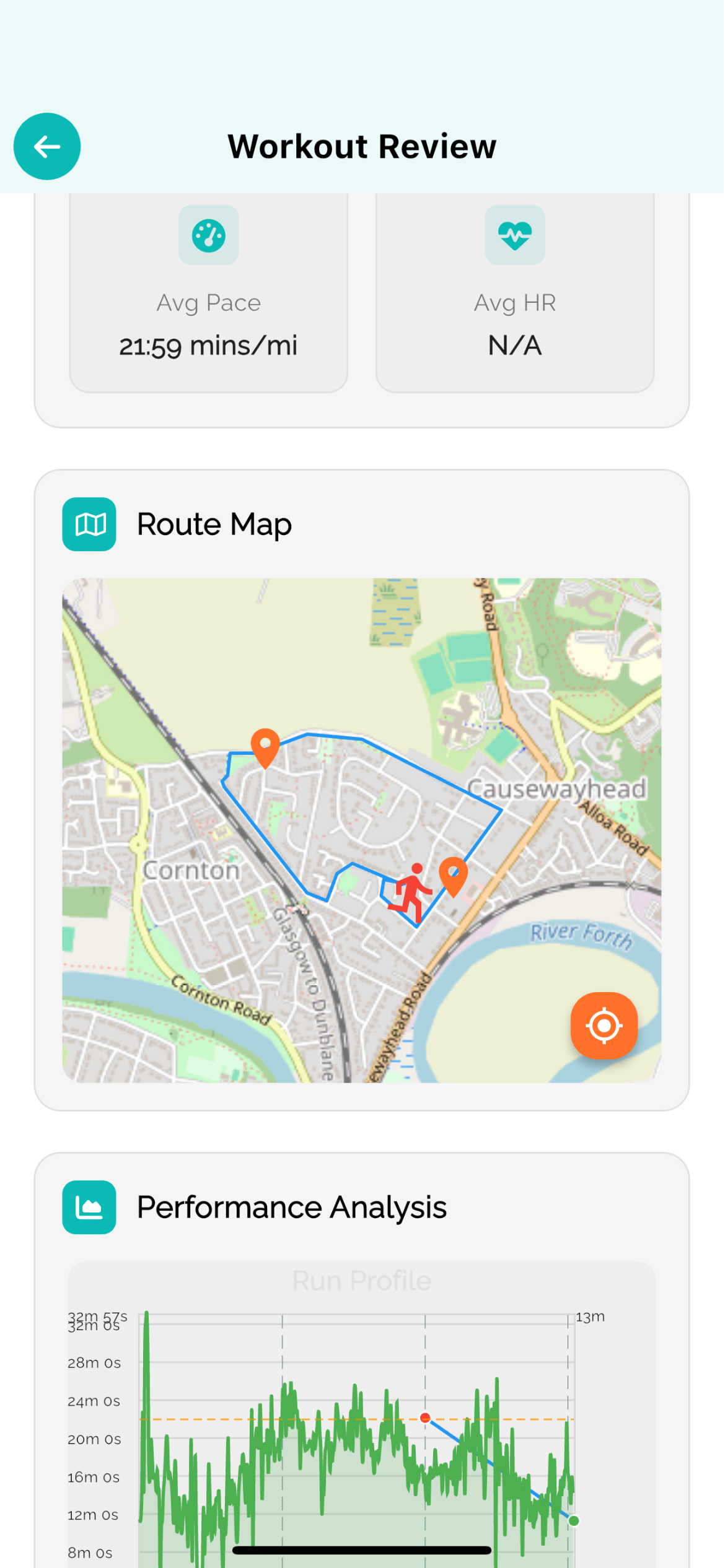
The real power of tempo work shows up over weeks and months. By logging pace, heart rate, and perceived effort, you'll spot when the same effort becomes easier—a sign your threshold has risen. Apps like RunV use your session data to adjust training zones automatically, ensuring your tempo pace stays calibrated as your fitness improves. This removes guesswork and keeps your training efficient.
FAQ
- Can I do tempo runs on back-to-back days?
- No. Tempo runs are high-intensity sessions that need 48–72 hours of easy or rest days to recover. Running them consecutively increases injury risk and blunts the fitness gains. Stick to once per week for best results.
- What's the difference between tempo runs and threshold runs?
- They're essentially the same thing. Tempo run, threshold run, and lactate threshold run all refer to sustained effort near the point where lactate accumulates faster than your body can clear it. The terminology varies by coach or region, but the purpose and pace are identical.
- Should I do tempo runs if I'm training for a 5K?
- Yes, but with caution. Tempo work benefits 5K runners by building aerobic capacity and mental toughness, but it's not your primary workout. In 5K training, VO2 max intervals (shorter, faster repeats) often take priority. Include tempos as a secondary hard session, no more than once per week, alongside hill work or intervals.
Train smarter
RunV turns this thinking into your plan — adaptive coaching that rebuilds after every run.
Keep reading